
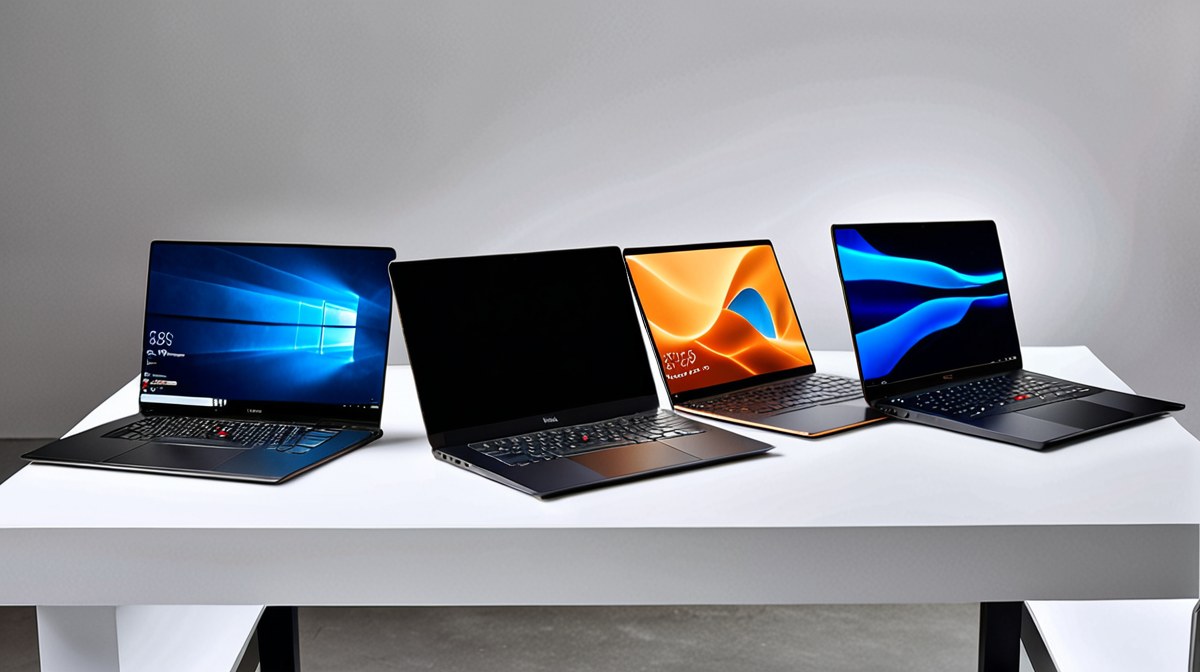
Brand Reliability: Analyzing Durability and Build Quality
When evaluating laptop brands for reliability, published data and expert consensus frequently highlight distinct leaders. Dell, particularly with its Latitude and XPS lines, consistently receives high marks for build quality and component longevity. According to various industry reports and user surveys, Dell's business-oriented laptops are engineered for sustained use, often featuring robust chassis materials like aluminum and carbon fiber, designed to withstand daily wear and tear. Reviewers widely note the solid feel and minimal flex in these premium models, contributing to their perceived durability. Similarly, Apple's MacBook Pro and MacBook Air models are renowned for their unibody aluminum construction, which not only provides a premium aesthetic but also contributes significantly to their reported structural integrity. These devices often show lower failure rates in independent studies compared to the industry average, a testament to their meticulous design and quality control processes.
Lenovo's ThinkPad series stands as another benchmark for reliability, particularly in the corporate and educational sectors. The iconic black chassis and military-grade testing (MIL-STD-810H certification on many models) are frequently cited by the manufacturer as indicators of their resilience against drops, spills, and extreme temperatures. While other brands like HP (especially their EliteBook and ZBook series) and Microsoft (Surface Pro/Laptop) have made significant strides in improving their build quality and reducing reported hardware issues, their consistency across all price points can vary. Conversely, brands like Acer and sometimes even ASUS, while offering compelling performance-to-price ratios, occasionally receive lower scores in long-term reliability surveys, with users reporting more frequent hardware malfunctions or component failures compared to the top-tier brands. This often boils down to the materials used and the extent of quality assurance testing applied during manufacturing, factors that directly influence a laptop's ability to endure years of use.
Customer Service & Support Ecosystem Comparison
The quality of a brand's customer service and its overall support ecosystem is as crucial as the laptop's hardware reliability. Apple consistently receives top marks in customer satisfaction surveys for its support, primarily due to its extensive network of Apple Stores offering in-person technical assistance and its streamlined online and phone support. Users frequently report positive experiences with Genius Bar appointments, citing knowledgeable staff and efficient problem resolution. This integrated approach, where hardware and software support are handled by a single entity, provides a seamless experience that other brands often struggle to replicate.
Dell's support services are also highly regarded, particularly for its business customers. Dell offers various tiers of support, including ProSupport and ProSupport Plus, which provide dedicated technical account managers, expedited parts replacement, and next-business-day on-site service. While their consumer-level support can sometimes be a mixed bag, with wait times and varying agent expertise reported by users, their commitment to enterprise clients sets a high bar. Lenovo, especially with its ThinkPad line, also provides robust business support options, often including accidental damage protection and extended warranties that are critical for corporate deployments. Their online resources, including comprehensive driver downloads and diagnostic tools, are also widely praised.
HP's support has shown significant improvement in recent years, particularly for its premium Spectre and EliteBook series. They've invested in better online resources and streamlined phone support, though some users still report inconsistencies. In contrast, brands like ASUS and MSI, while popular among gamers and power users for their performance-focused hardware, often receive more mixed reviews for their customer service. Common complaints include longer response times, less accessible troubleshooting resources, and sometimes a perceived lack of expertise for complex issues. Acer's support is generally considered functional but lacks the premium touch and swift resolution often found with Apple or Dell, reflecting its more budget-oriented market position. The availability of local service centers and the clarity of warranty terms are also key differentiators when evaluating a brand's overall support infrastructure.
Performance Consistency and Software Stability
Beyond raw specifications, a laptop's long-term performance consistency and software stability significantly contribute to its perceived reliability. Apple's macOS ecosystem is frequently cited by reviewers and users for its robust software stability and optimized performance, particularly with Apple Silicon. The tight integration between hardware and software ensures that applications run efficiently, with fewer reported crashes or performance bottlenecks compared to some Windows-based systems. This stability translates into a more reliable user experience over time, as the operating system and pre-installed software are less prone to issues that could necessitate frequent troubleshooting or system reinstalls.
For Windows laptops, brands like Dell and Lenovo (especially their business lines) are often praised for their relatively clean software installations, with minimal bloatware that can impact performance. Their commitment to timely driver updates and firmware patches also contributes to maintaining system stability. Dell's XPS and Latitude series, for instance, are known for their consistent performance even under heavy loads, thanks to effective thermal management and high-quality internal components. Similarly, Lenovo ThinkPads are engineered for sustained performance in professional environments, with a focus on stable drivers and long-term hardware support.
Conversely, some brands, particularly in the budget or gaming segments, are occasionally reported to ship with more pre-installed bloatware, which can degrade performance and introduce potential stability issues. While easily removable, this initial experience can color a user's perception of reliability. Furthermore, the consistency of driver updates and BIOS firmware releases can vary significantly. Brands with less frequent or less thoroughly tested updates can inadvertently introduce new bugs or compatibility problems, leading to a less stable computing experience. Microsoft's Surface devices, benefiting from direct hardware-software synergy, also exhibit strong performance consistency and software stability, though their repairability scores are often lower due to their highly integrated designs. Ultimately, a brand's commitment to ongoing software optimization and minimal pre-installed distractions plays a critical role in how reliably a laptop performs throughout its lifespan.
Repairability and Warranty Options: Long-Term Value
The long-term value and reliability of a laptop are heavily influenced by its repairability and the warranty options provided by the manufacturer. Brands like Dell and Lenovo (especially their ThinkPad series) often excel in this area, particularly for their business-oriented models. These laptops are frequently designed with modular components, such as easily accessible RAM slots, M.2 SSD bays, and replaceable batteries, which simplify upgrades and repairs. According to published service manuals and independent teardowns, technicians can often access and replace parts without extensive disassembly, reducing repair costs and downtime. Dell's extensive network of authorized service providers and their ProSupport options, which often include next-business-day on-site service and expedited parts delivery, further enhance their repairability and long-term serviceability.
Apple, while offering exceptional build quality, generally receives lower scores for user repairability. Their unibody designs and proprietary components mean that most repairs require specialized tools and expertise, often necessitating service through an Apple Store or authorized service center. While Apple's warranty and AppleCare+ plans provide excellent coverage and support, the cost of out-of-warranty repairs can be significantly higher due to the complexity and proprietary nature of their parts. Microsoft's Surface devices share a similar challenge, with highly integrated designs that make independent repairs difficult, often leading to full unit replacements rather than component-level fixes.
Warranty duration and coverage are also critical differentiators. Most brands offer a standard one-year limited warranty, but the extent of coverage and the ease of making a claim can vary. Dell, HP, and Lenovo often provide options to extend warranties to three or even five years, sometimes including accidental damage protection, which is invaluable for professional users. Brands like ASUS and MSI typically offer standard warranties, but their repair processes and turnaround times are sometimes reported as less efficient. The availability of spare parts and the clarity of the repair process directly impact a laptop's long-term viability and the user's overall satisfaction. A brand that actively supports repairability and offers comprehensive, clear warranty options ultimately provides greater peace of mind and better long-term value.
Who Should Buy What: Recommendations by User Need
Choosing the best laptop brand for reliability and customer service ultimately depends on individual priorities and usage scenarios. For professionals and business users who absolutely cannot afford downtime, Dell's Latitude and XPS lines, alongside Lenovo's ThinkPad series, are consistently top recommendations. These brands offer enterprise-grade durability, extensive warranty options, and responsive business-tier support, ensuring maximum uptime and easier IT management. Their focus on modularity also aids in long-term maintenance and upgrades, making them a wise investment for demanding work environments. Users in creative fields or those deeply embedded in the Apple ecosystem will find Apple's MacBook Pro and MacBook Air to be unparalleled. While the initial investment is higher, the tightly integrated hardware and software, combined with Apple's premium customer service and robust build quality, provide a highly reliable and consistent experience. The longevity of macOS updates also ensures extended software support.
For general consumers seeking a balance of reliability and value, HP's Spectre and Envy series, along with Dell's Inspiron line, offer a compelling proposition. While their consumer-level support might not match the enterprise-grade offerings, these models generally exhibit good build quality and HP's support has shown significant improvements. Microsoft's Surface devices are excellent for users who prioritize a premium, touch-first Windows experience and appreciate the direct hardware-software integration, though repairability remains a consideration.
Conversely, budget-conscious buyers or those prioritizing raw gaming performance might lean towards brands like ASUS or MSI. However, it's crucial to be aware that while these brands offer powerful hardware, their customer service experiences are widely reported as more variable, and long-term reliability surveys can show more inconsistencies. Users in these segments should factor in potential self-troubleshooting or the need for third-party repair services. Acer, while offering very competitive prices, generally sits lower on reliability and support satisfaction scales, making it a less ideal choice for users for whom long-term, hassle-free ownership is a top priority. Ultimately, aligning brand reputation for reliability and service with your specific use case and budget is key to a satisfying laptop purchase.