
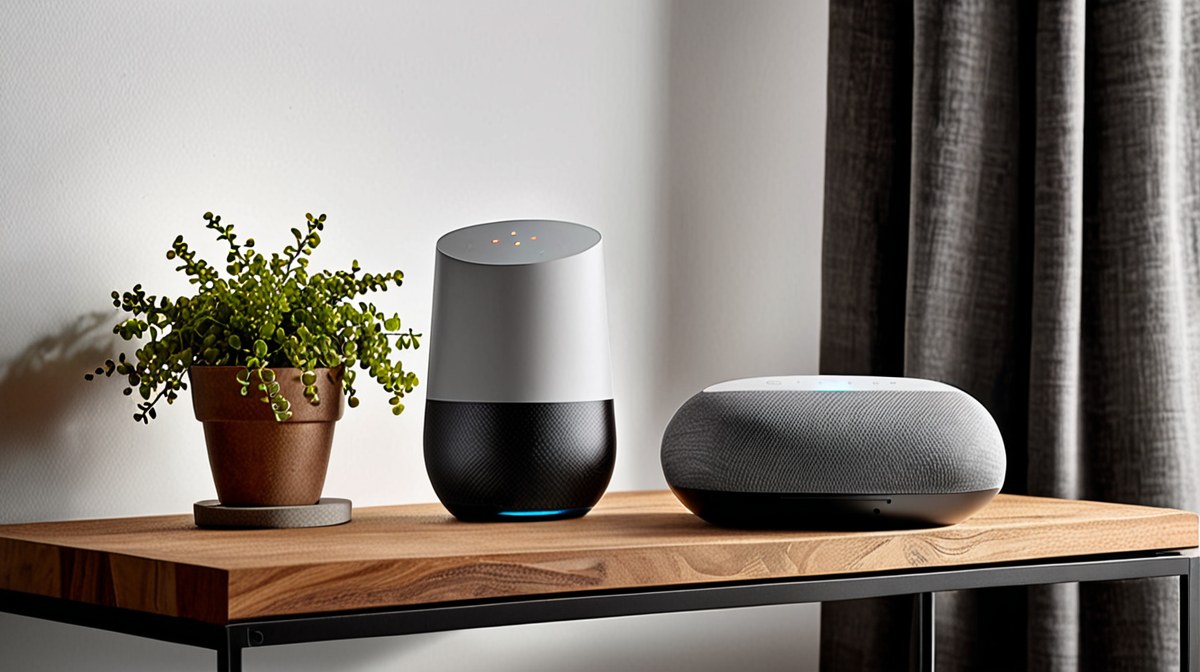
Ecosystem Design & Integration Philosophy
The fundamental design philosophies of Apple HomeKit, Google Home, and Amazon Alexa dictate their approach to device integration and user experience. Apple HomeKit, as reported by numerous industry analysts, prioritizes privacy and security, often requiring devices to meet stringent hardware and software standards. This results in a curated, albeit smaller, selection of 'Works with Apple HomeKit' certified devices, which are then tightly integrated into the iOS and macOS ecosystems. Reviewers widely note that this approach ensures a consistent and often more secure user experience, with local processing for many automations reducing reliance on cloud services.
In contrast, Google Home, built around the Google Assistant, adopts a more open strategy, boasting the broadest compatibility with third-party smart home devices. Manufacturers often report easier integration with Google's platform, leading to a vast array of 'Works with Google Assistant' products. This openness, while beneficial for device choice, can sometimes lead to slight inconsistencies in performance or setup across different brands, though Google's ongoing efforts with the Matter standard aim to mitigate this.
Amazon Alexa, similar to Google, focuses on expansive compatibility and ease of access. Its design emphasizes voice-first interaction and a vast array of skills, allowing for deep customization and interaction with an extensive device ecosystem. According to Amazon's published specifications, the platform supports tens of thousands of devices, making it a highly accessible entry point for many users. The core difference often lies in the depth of integration; while many devices 'work with' Alexa, the seamless, almost invisible integration found in HomeKit for certain functions is less consistently achieved across Alexa's wider net. The advent of Matter is set to standardize core functionalities, but each ecosystem's unique strengths in automation logic and user interface design will continue to define their distinct integration philosophies.
Performance & Responsiveness: Voice Control & Automation
Performance in smart home ecosystems is primarily judged by the responsiveness of voice commands and the reliability of automated routines. Apple HomeKit, leveraging its tight hardware-software integration, is frequently cited by users for its rapid response times, particularly for commands executed locally on devices like the HomePod mini or Apple TV. Published specifications indicate that many HomeKit automations, especially those not relying on internet-connected services, exhibit near-instantaneous execution. However, some reviewers note that complex multi-step automations across diverse device types can sometimes introduce minor delays depending on network conditions.
Google Home, powered by the Google Assistant, consistently receives high marks for its natural language processing capabilities. Users widely report that the Assistant can interpret a broader range of conversational commands and contextually understand requests better than its rivals, leading to a more fluid interaction. While cloud-dependent, Google's robust infrastructure generally ensures prompt execution of commands and routines. However, the sheer volume of compatible devices means performance can occasionally vary based on the specific device manufacturer's implementation, as reported in various tech reviews.
Amazon Alexa, with its mature voice recognition technology, offers reliable performance for a vast range of commands and routines. Its 'Skills' ecosystem provides immense flexibility, and users often commend its ability to seamlessly integrate with numerous services. While generally responsive, some long-time users have reported that Alexa's processing of complex, multi-device routines can sometimes introduce micro-delays compared to the more contained HomeKit environment. The ongoing integration of Matter is expected to standardize communication protocols, potentially enhancing responsiveness across all platforms by reducing proprietary communication overheads, leading to a more consistent performance baseline across the diverse device landscape of each ecosystem.
Device Compatibility & Ecosystem Lock-in
Device compatibility remains a critical differentiator among the leading smart home ecosystems, directly influencing user choice and potential platform lock-in. Google Home, through the Google Assistant, currently boasts the broadest compatibility, with manufacturers widely supporting the 'Works with Google Assistant' standard. This extensive support means users have access to a vast array of smart bulbs, thermostats, locks, and sensors from hundreds of brands, minimizing the need for specific brand loyalty. However, this breadth can sometimes lead to varying levels of feature support depending on the manufacturer's integration depth, as reported by users comparing devices across platforms.
Amazon Alexa offers similarly extensive device compatibility, a key factor in its market dominance. Its 'Works with Alexa' program is well-established, and its skills library allows for integration with an immense number of services and devices, often through cloud-to-cloud connections. While offering a wide choice, some users note that certain advanced features or local control options might be limited compared to devices designed with deeper, native integration into other ecosystems. The sheer volume of Alexa-compatible devices, while a strength, can also make selection overwhelming for new users.
Apple HomeKit, conversely, operates with a more stringent certification process. Devices must meet specific hardware and software requirements to display the 'Works with Apple HomeKit' badge, which, according to manufacturer specifications, ensures a higher baseline for security and responsiveness. While this results in a narrower selection of compatible products, it also guarantees a more consistent user experience and deeper integration within the Apple ecosystem. This approach inherently creates a stronger 'lock-in' for Apple users, as switching to a non-HomeKit device often means sacrificing certain native benefits. The emerging Matter standard, endorsed by all three, promises to alleviate some of this lock-in by providing a universal communication protocol for basic device functionality, allowing devices to work across ecosystems. However, advanced features and platform-specific integrations will likely remain unique to each platform, maintaining distinct advantages for each ecosystem's proprietary offerings.
Security, Privacy & Data Handling
Security and privacy are paramount concerns for smart home users, and each ecosystem approaches these critical aspects with distinct methodologies. Apple HomeKit, as detailed in its published security whitepapers, emphasizes end-to-end encryption and local processing for many automations and device communications. Reviewers consistently highlight HomeKit's commitment to user privacy, noting that Apple deliberately limits the amount of user data sent to its servers, preferring on-device intelligence where possible. This approach, while sometimes limiting advanced cloud-based features, provides a strong reassurance for privacy-conscious consumers, with Apple stating that user data is not used for targeted advertising.
Google Home, while offering robust security features such as two-factor authentication and encrypted communications, operates on a model that integrates more deeply with Google's broader ecosystem of services. Google's privacy policy indicates that data collected from smart home devices can be used to improve Assistant services and, in anonymized forms, contribute to other Google products. Users have control over data retention and activity deletion, but the fundamental model involves more cloud processing. Google has made significant strides in transparency regarding data handling, but the perception of extensive data collection persists among some user groups.
Amazon Alexa also employs strong security protocols, including encryption and regular security updates for its devices. However, like Google, its model relies heavily on cloud processing for voice commands and skill interactions. Amazon's published privacy notices state that voice recordings are used to improve Alexa's accuracy and personalized experiences, and while users can review and delete voice history, the default setting involves data retention. Concerns about accidental recordings and data sharing with third-party skill developers have been widely reported, prompting Amazon to introduce more granular privacy controls. The widespread adoption of the Matter standard is expected to enhance baseline security for device communication across all platforms, but each ecosystem's core data handling policies and privacy philosophies will continue to be a key differentiator for discerning buyers.
Value Proposition & Future-Proofing for 2026
Assessing the value proposition of each smart home ecosystem for 2026 involves considering initial investment, ongoing costs, and the platform's potential for future growth and compatibility. Apple HomeKit generally represents a higher initial investment due to the premium pricing of HomeKit-certified devices and Apple's own hardware, such as the HomePod mini or Apple TV, which can act as hubs. However, for existing Apple users, the seamless integration and robust privacy features offer significant value, and the platform's strong security posture contributes to its long-term appeal. Its deliberate, measured expansion also suggests a relatively stable and secure future, with new features often deeply integrated rather than broadly added.
Google Home offers excellent value, particularly for users seeking a broad device selection at competitive price points. The platform's open nature and extensive third-party support mean users can often find more affordable alternatives for smart devices. Google's continuous investment in AI and natural language processing ensures the Assistant remains at the forefront of voice interaction, enhancing its long-term value. The ecosystem is well-positioned for future growth, especially with Google's active role in the Matter standard, promising improved cross-platform compatibility and reducing the risk of obsolescence for smart home devices.
Amazon Alexa provides compelling value for its sheer breadth of device compatibility and the robust functionality of its voice assistant, often available through competitively priced Echo devices. For users prioritizing a vast array of 'Skills' and extensive smart home automation options, Alexa remains a strong contender. However, the platform's future-proofing hinges on its ability to evolve its privacy framework and integrate new technologies like Matter without overwhelming users with complexity. While Amazon continues to innovate with new device categories, the long-term value will increasingly depend on its ability to offer truly differentiated experiences beyond basic voice commands. All three platforms' commitment to Matter is a crucial step towards future-proofing, as it aims to ensure that smart home devices purchased today will retain core functionality across ecosystems in the years to come, mitigating some of the traditional platform lock-in concerns.