
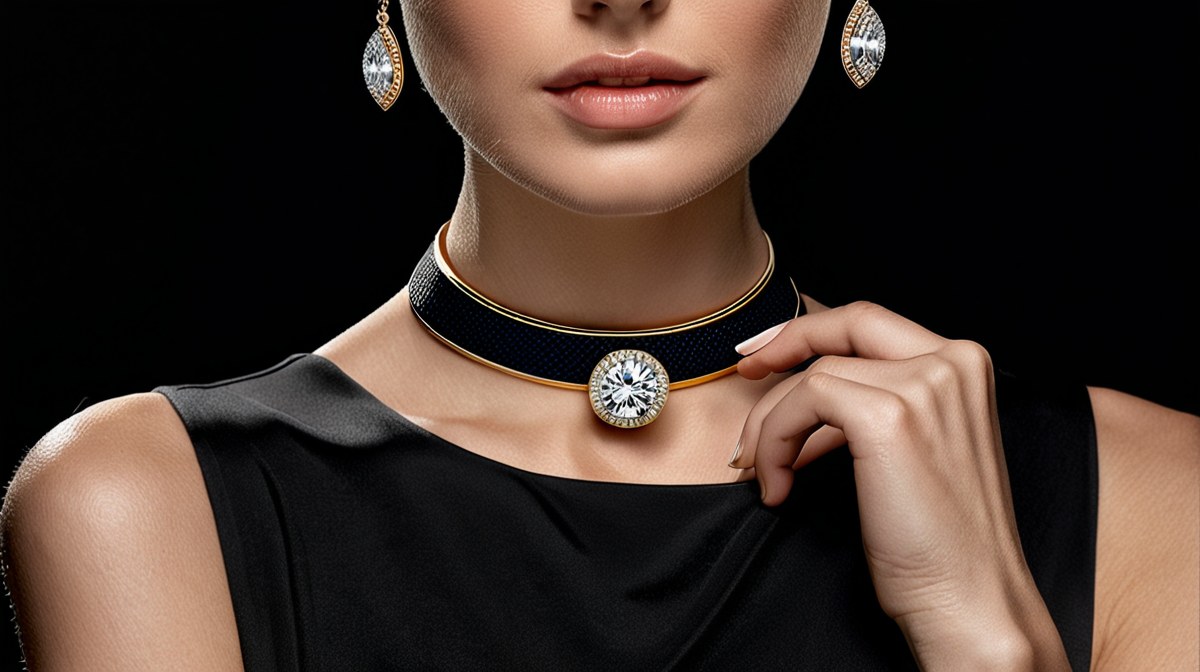
Design & Build Quality: Blending Aesthetics with Durability
In 2026, smart jewelry manufacturers are placing an unprecedented emphasis on design, recognizing that aesthetic appeal is paramount for wearables intended to be fashion statements. The Oura Ring Gen 4, for instance, continues its legacy with a sleek, minimalist titanium construction, available in multiple finishes like Horizon Silver, Stealth Black, and Gold. Reviewers widely praise its comfortable, low-profile fit, which is crucial for continuous wear, especially during sleep. The Movano Ring, a newer entrant, distinguishes itself with a more jewelry-like appearance, featuring intricate patterns and gemstone accents on some models, aiming to appeal to a broader female demographic. Its published specifications highlight medical-grade materials and water resistance up to 50 meters, aligning with competitor offerings.
Circular Ring Pro, another notable contender, offers interchangeable outer shells, allowing users to customize their look, a feature unique in the market. This modularity, as reported by the manufacturer, provides flexibility for different occasions without compromising the underlying tech. Materials across the board typically include hypoallergenic metals like titanium or surgical-grade stainless steel, often with PVD coatings for enhanced scratch resistance. The goal is to achieve a balance between a premium feel and resilience against daily wear and tear. While the Oura and Movano focus on understated elegance, Circular leans into personalization. The common thread is the commitment to making the technology virtually invisible, ensuring the jewelry looks and feels like a traditional accessory first and a smart device second. This design philosophy is critical for widespread adoption, moving beyond the 'tech gadget' perception.
Performance & Sensor Accuracy: Health Insights on the Go
The core utility of 2026 smart jewelry lies in its advanced sensor performance and data accuracy, particularly for health tracking. The Oura Ring Gen 4, according to published specifications and extensive user feedback, features an array of PPG (photoplethysmography) sensors for heart rate variability (HRV) and resting heart rate, NTC temperature sensors for precise body temperature tracking, and a 3D accelerometer for activity monitoring. Its sleep tracking algorithms are widely considered among the industry's best, providing detailed insights into sleep stages and overall sleep quality. The Movano Ring, while also utilizing PPG and temperature sensors, emphasizes its potential for medical-grade accuracy, with the manufacturer actively pursuing FDA clearance for certain health metrics, a significant claim that differentiates it.
Reviewers widely note that both Oura and Movano provide actionable insights, translating raw data into understandable scores for readiness, sleep, and activity. The Circular Ring Pro, while offering similar sensor technology, distinguishes itself with a 'Bio-impedance' sensor, reportedly for more nuanced body composition analysis, though detailed third-party validation is still emerging. All leading models now incorporate advanced algorithms to filter out motion artifacts, ensuring more reliable data collection during daily activities. The challenge, as consistently reported, is to maintain this accuracy across diverse skin tones and body types, an area where continuous improvement is observed. While no smart jewelry claims to be a medical device unless specifically stated and cleared by regulatory bodies, their performance in providing consistent, trend-based health data is a significant leap forward from earlier generations.
Connectivity & Smart Features: Discreet Integration
Connectivity is a cornerstone of smart jewelry, enabling seamless data transfer and interaction with companion apps and other smart devices. All prominent 2026 smart jewelry models, including the Oura Ring Gen 4, Movano Ring, and Circular Ring Pro, utilize Bluetooth Low Energy (BLE 5.0 or newer) for efficient pairing with smartphones. This ensures a stable connection for data synchronization and firmware updates while minimizing power consumption. Reviewers consistently highlight the ease of setup and reliable pairing as essential for a positive user experience.
Beyond basic connectivity, smart features are evolving. Many models now incorporate NFC (Near Field Communication) for contactless payments, a highly desired convenience feature. The Oura Ring, for example, has expanded its payment partnerships, allowing users to make purchases by simply tapping their ring, a functionality that has garnered positive user feedback for its discretion. Silent alarms, which use gentle vibrations on the finger, are another widely reported feature, particularly useful for waking without disturbing a partner. While smart jewelry generally lacks a display, some models provide haptic feedback for notifications, discreetly alerting users to calls or messages without requiring them to check their phone. Integration with third-party health platforms like Apple Health and Google Fit is also standard, allowing users to consolidate their health data. The focus is on providing essential smart functionalities in a manner that is unobtrusive and intuitive, avoiding the complexity often associated with smartwatches.
Battery Life & Charging: Balancing Size and Endurance
Battery life remains a critical consideration for smart jewelry, given the compact form factor and the desire for continuous wear. Manufacturers like Oura and Movano have made significant strides in optimizing power consumption, leveraging efficient chipsets and advanced battery technologies. The Oura Ring Gen 4, according to published specifications, offers an average of 4-7 days of battery life on a single charge, with actual duration varying based on feature usage and environmental factors. This endurance is a key advantage over most smartwatches, which typically require daily charging.
The Movano Ring reports similar battery performance, aiming for a multi-day usage cycle to support uninterrupted health monitoring. Charging typically occurs via proprietary magnetic charging docks or cradles, which are often compact and designed to complement the jewelry. While convenient, the need for a specific charger is a common point of feedback, as it adds another accessory to manage. Charging times are generally quick, with many models reaching a full charge within 60-90 minutes, as reported by manufacturers. The Circular Ring Pro also targets a multi-day battery life, but some early user reports suggest variability depending on the activated sensors and frequency of data syncs. The trade-off between the desire for smaller, more fashionable designs and the technical constraints of battery capacity continues to be a central challenge for the industry, pushing innovation in energy efficiency and battery chemistry.
Value & Verdict: Who Should Buy Smart Jewelry in 2026?
The smart jewelry market in 2026 presents compelling options for specific user groups, though the value proposition hinges on individual priorities. For health-conscious individuals seeking discreet, continuous monitoring without the visual bulk of a smartwatch, the Oura Ring Gen 4 stands out. Its established ecosystem, highly regarded sleep tracking, and robust data analytics, as widely reported by reviewers, justify its premium price point (typically starting around $299-$399, depending on finish). Users prioritizing detailed readiness and recovery insights will find significant value here. The Movano Ring, while still newer, appeals to those who desire a more overt jewelry aesthetic combined with a strong focus on potential medical-grade accuracy, especially as its FDA clearance efforts progress. Its pricing is expected to be competitive with Oura.
Conversely, those primarily looking for basic activity tracking or notification alerts might find the current smart jewelry offerings an expensive over-investment. More affordable fitness trackers or entry-level smartwatches often provide similar basic functionalities at a fraction of the cost. The Circular Ring Pro offers a unique proposition with its customizable shells and claimed advanced body composition data, potentially appealing to users who prioritize personalization and novel metrics. However, for most consumers, the Oura Ring Gen 4 represents the most mature and reliable choice in the high-end segment, offering a balanced blend of performance, design, and a proven track record. Ultimately, smart jewelry in 2026 is best suited for early adopters and those for whom discretion and continuous, passive health insights are paramount, rather than those seeking a full smartwatch replacement.