
Design & Build Quality: Compactness Meets Durability
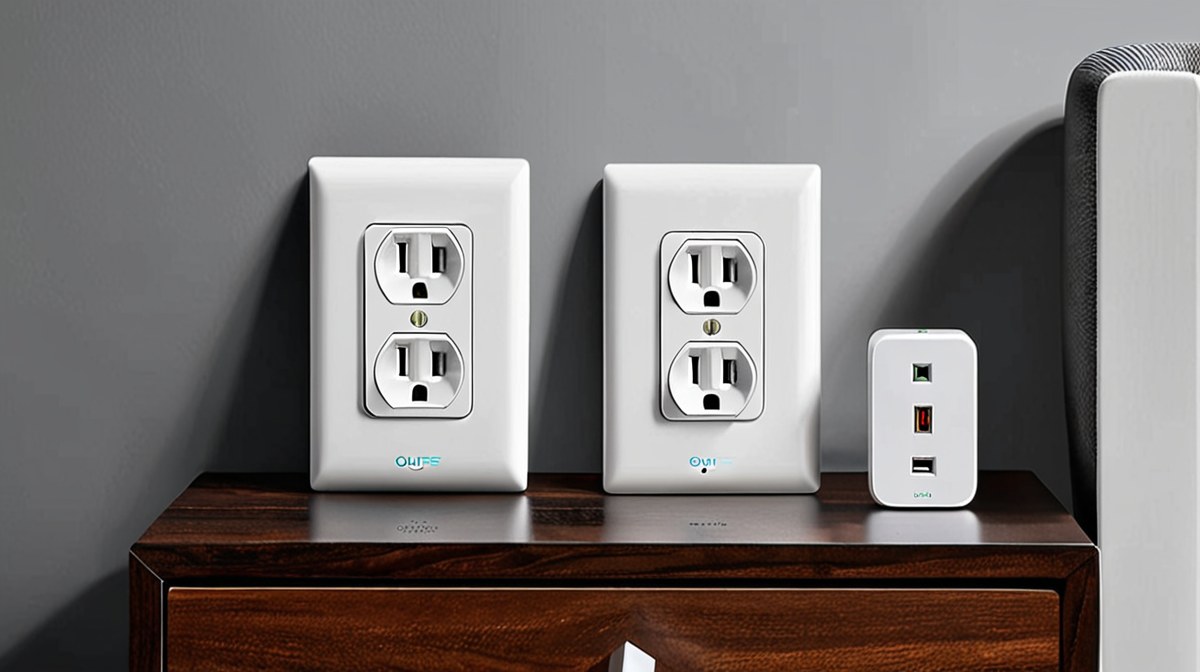
The physical design of smart plugs and outlets in 2026 has largely trended towards greater compactness, a direct response to user feedback regarding blocked outlets. Leading manufacturers like TP-Link Kasa and Wyze offer slim profiles that are reported to leave adjacent sockets accessible, even on standard wall plates. Conversely, some multi-outlet smart strips, such as those from Anker or APC, naturally occupy more space but offer individual control over multiple receptacles and often include USB charging ports. The build materials typically consist of fire-retardant ABS plastic, with published specifications indicating resistance to high temperatures and electrical surges. Outdoor-rated smart plugs, like those from Meross or GE Cync, feature IP64 or IP65 ratings, signifying robust protection against dust and splashes, making them suitable for patios and garden lighting. Reviewers widely note that the tactile feel of the physical power button, if present, varies significantly across brands; some prefer a satisfying click, while others prioritize a flush, discreet design. The integration of LED indicators, indicating power status or connectivity, is also a design consideration, with some users preferring subtle indicators and others finding bright LEDs disruptive in bedrooms. Overall, the emphasis is on durable, unobtrusive designs that integrate seamlessly into modern homes without drawing undue attention to themselves, a marked improvement from earlier, bulkier iterations.
Performance & Connectivity: Wi-Fi, Matter, and Thread Integration
Performance in smart plugs primarily revolves around reliable connectivity and rapid response times. The majority of smart plugs continue to rely on 2.4GHz Wi-Fi, with manufacturers like TP-Link and Cync reporting near-instantaneous command execution (sub-one-second latency) when connected to a stable network. A significant development in 2026 is the growing adoption of Matter and Thread protocols, especially in devices from brands like Eve, Nanoleaf, and select Amazon Echo products. These newer standards promise enhanced interoperability across different smart home ecosystems and improved local control, reducing reliance on cloud services. Devices supporting Matter over Thread, when paired with a compatible Thread border router (like an Apple HomePod Mini or Amazon Echo Show 10), are reported to offer superior responsiveness and network stability, particularly in homes with numerous smart devices. However, it's important to note that full Matter integration still requires a compatible hub or controller for certain advanced features. Reviewers widely note that while Wi-Fi plugs are generally reliable, the addition of Matter and Thread offers a notable upgrade in responsiveness and future-proofing, albeit often at a higher price point. For basic scheduling and remote control, a well-configured Wi-Fi plug remains perfectly adequate, but for intricate automations and seamless cross-platform control, the advantages of Matter/Thread are becoming increasingly evident.
Energy Monitoring & Automation Capabilities
A key differentiator among 2026 smart plugs is the sophistication of their energy monitoring and automation features. Many popular models, such as the Kasa Smart Wi-Fi Plug with Energy Monitoring (KP115) or the Meross Smart Wi-Fi Plug (MSS310), publish specifications for real-time power consumption, voltage, and historical usage data accessible via their respective apps. Reviewers widely praise the utility of these features for identifying energy-hogging appliances and informing energy-saving habits. However, the reported accuracy of these measurements can vary, with some budget options offering only approximate readings. Advanced automation capabilities are also a strong selling point. Beyond simple on/off scheduling, many plugs now support 'away' modes that randomly toggle lights to simulate occupancy, countdown timers, and integration with sunrise/sunset schedules. Ecosystem-specific integrations, such as those within the Alexa or Google Home routines, allow for complex multi-device automations triggered by sensors, voice commands, or other smart home events. For instance, a smart plug connected to a fan could automatically activate when a smart thermostat detects a certain temperature threshold. The ability to create custom scenes and conditions, often without requiring a separate hub, is a significant convenience reported by users, making these devices far more than just remote switches. Users seeking granular control over energy usage and complex conditional automations should prioritize models explicitly advertising comprehensive energy monitoring and robust app-based routine creation.
Ecosystem Compatibility & User Experience
The seamless integration into existing smart home ecosystems is paramount for a positive user experience. The vast majority of smart plugs in 2026 offer compatibility with Amazon Alexa and Google Assistant, allowing for voice control and inclusion in routines. Apple HomeKit compatibility, while less universal, is a significant feature for iPhone users, primarily found in brands like Eve, Meross, and select TP-Link models, often leveraging Matter over Thread for improved performance. The setup process, according to manufacturers' published guides and user feedback, has generally become more streamlined, often involving scanning a QR code or following simple in-app instructions. However, some users still report occasional difficulties with initial Wi-Fi pairing or connecting to specific smart home hubs. The accompanying mobile applications play a crucial role, with well-designed apps offering intuitive interfaces for scheduling, energy monitoring, and creating automations. Apps from TP-Link Kasa and Wyze are frequently cited by reviewers for their user-friendliness and feature richness, while some generic smart plugs relying on the Tuya Smart Life platform offer broad compatibility but can sometimes feel less polished. The ability to group multiple plugs, share control with family members, and receive notifications for device status changes further enhances the overall user experience, making the choice of app and ecosystem as important as the plug's hardware specifications.
Value & Verdict: Choosing the Right Smart Plug for You
The value proposition for smart plugs in 2026 varies significantly based on features, brand reputation, and ecosystem compatibility. Basic Wi-Fi smart plugs without energy monitoring can be found for as little as $10-$15 per unit, offering excellent value for simple remote control and scheduling of lights or small appliances. For users prioritizing energy tracking, models like the TP-Link Kasa KP115 or Meross MSS310, typically priced between $20-$30, represent a strong balance of features and cost. These are widely reported to provide reliable performance and useful data. Premium smart plugs, often supporting Matter/Thread and HomeKit, such as those from Eve or certain GE Cync offerings, can range from $35-$50, reflecting their advanced connectivity, local control capabilities, and enhanced security. These are best suited for users deeply invested in specific ecosystems or those building a highly responsive, future-proof smart home. Outdoor smart plugs, due to their robust weatherproofing, also fall into a higher price bracket. Ultimately, the 'best' smart plug depends on individual needs: budget-conscious users seeking basic automation should opt for reliable Wi-Fi models. Those prioritizing detailed energy insights and seamless integration with Alexa or Google Home will find excellent options in the mid-range. Apple HomeKit users or those aiming for the most advanced, interoperable smart home setup should consider Matter/Thread-enabled plugs, understanding the associated premium. Each category offers compelling choices, ensuring there's a smart plug for nearly every requirement and budget.