
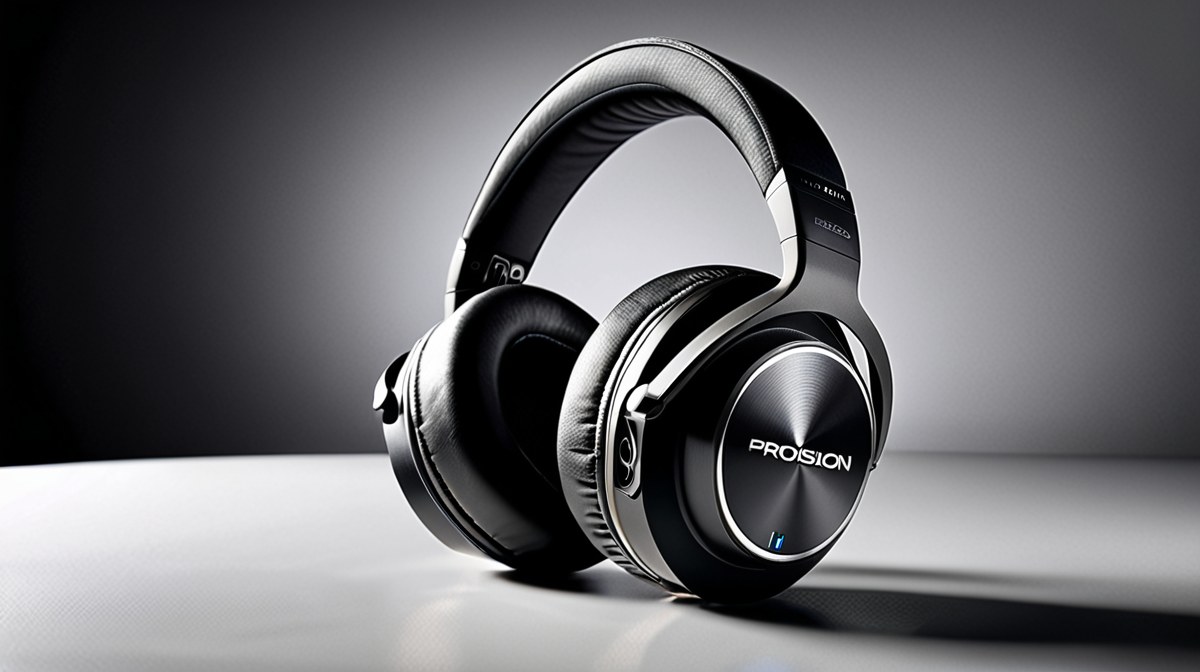
Design and Build Quality: Durability for Demanding Workflows
The rigorous demands of studio work necessitate headphones built to withstand constant use, and the 2026 models largely reflect this understanding. Manufacturers like Sennheiser and Beyerdynamic continue their tradition of robust construction, often utilizing durable plastics, metal components, and replaceable parts. For instance, the reported build quality of the Beyerdynamic DT 1990 PRO emphasizes its metal yokes and user-replaceable ear pads and cables, contributing to a long service life. Similarly, the Audeze LCD-X (2026 revision) features a sturdy, albeit heavier, planar magnetic design with premium materials like carbon fiber and leather, though its weight is a common point of discussion among users during extended sessions.
Comfort is equally critical for producers and musicians who spend hours wearing headphones. Many brands are prioritizing ergonomic improvements. Reviewers widely note that newer models from Focal, such as the Focal Clear Mg Professional, offer significantly improved headband padding and lighter overall designs compared to their predecessors, reducing fatigue. The clamping force is also a key factor; some users find the initial clamp of certain closed-back models, like the Audio-Technica ATH-M70x, to be quite firm, although this often loosens slightly over time. Open-back designs, by nature, tend to be lighter and less confining, but this comes at the expense of isolation.
Cable design and connectivity are also evolving. While 3.5mm and 6.35mm jacks remain standard, some high-end models are exploring modular cable systems that allow for balanced connections, potentially reducing noise and improving signal integrity. The Shure SRH1540, for example, features dual-exit, user-replaceable cables that lock securely into place, a practical design choice for studio environments where cables are frequently connected and disconnected. The overall trend points towards materials and designs that not only last but also enhance the user experience during critical listening tasks, balancing robustness with wearability.
Sonic Performance: Unveiling Uncolored Soundscapes
At the core of any studio headphone is its sonic performance, specifically its ability to reproduce audio with accuracy and neutrality. The top contenders for 2026 are widely reported to offer exceptional frequency response, aiming for a flat, uncolored sound that allows engineers to make unbiased mixing and mastering decisions. The Sennheiser HD 660S2, for instance, is frequently praised for its balanced sound profile and natural midrange, building upon the legacy of its predecessors. Reviewers often highlight its detailed resolution, which helps in identifying subtle nuances within a mix.
Open-back designs, such as the Hifiman Ananda, are lauded for their expansive soundstage and airy presentation, which can mimic the feel of listening to studio monitors in a well-treated room. This characteristic is particularly beneficial for spatial mixing and reverb placement. However, their open nature means sound leakage is significant, making them unsuitable for tracking vocals or instruments where microphone bleed is a concern. Conversely, closed-back models like the Neumann NDH 20 are designed for maximum isolation, crucial for recording and monitoring in noisy environments. Users report their ability to block out external sound effectively, though this can sometimes come at the cost of a slightly less open soundstage.
Transient response and detail retrieval are also paramount. High-quality planar magnetic drivers, as found in the Audeze LCD-X, are renowned for their lightning-fast response and ability to render intricate sonic textures with precision. While the published specifications for these drivers often boast extremely low distortion figures across the audible spectrum, the practical implication is a clearer, more articulate sound. Dynamic driver headphones, like the Focal Clear Mg Professional, also achieve impressive levels of detail through advanced diaphragm materials and acoustic tuning, providing a punchy yet controlled bass response that remains accurate without being overbearing. The choice between these technologies often comes down to personal preference and specific workflow requirements.
Connectivity and Compatibility: Integrating into Professional Setups
Integration into existing studio setups is a critical consideration for any professional audio tool, and studio headphones are no exception. The vast majority of 2026 studio headphones maintain industry-standard 3.5mm (1/8-inch) and 6.35mm (1/4-inch) TRS connections, ensuring compatibility with a wide range of audio interfaces, mixing consoles, and headphone amplifiers. Many models, such as the Audio-Technica ATH-M50xBT2, include both adapter types, providing flexibility for various equipment. While Bluetooth connectivity is becoming more prevalent in consumer headphones, its presence in dedicated studio headphones is less common, primarily due to concerns about latency and potential audio compression, which are detrimental to critical listening tasks. However, some hybrid models offer a wired option alongside Bluetooth for convenience outside of the studio, though this is not their primary use case.
Impedance is another crucial specification. Studio headphones are typically offered in various impedance ratings, often 32 Ohms, 80 Ohms, 250 Ohms, or even 600 Ohms. Lower impedance headphones (e.g., 32 Ohm) are easier to drive, making them suitable for direct connection to laptops, mobile devices, and most audio interfaces without requiring a powerful dedicated amplifier. Reviewers widely note that headphones like the Shure SRH840A (32 Ohm) perform well with a variety of sources. Conversely, higher impedance headphones (e.g., Beyerdynamic DT 770 PRO 250 Ohm) demand more power to reach optimal volume and clarity. According to manufacturers, these higher impedance designs can offer improved linearity and reduced distortion when paired with a robust headphone amplifier, making them a preferred choice for stationary studio setups with professional-grade amplification. Users should always check the published impedance and sensitivity ratings to ensure compatibility with their existing audio hardware and avoid underpowering their headphones, which can lead to diminished sound quality and insufficient volume levels.
Isolation vs. Soundstage: Tailoring to the Task
The fundamental trade-off between sound isolation and soundstage width is a defining characteristic in studio headphone selection, directly impacting their suitability for different production tasks. Closed-back headphones, exemplified by the Neumann NDH 20 or the Sony MDR-MV1 (a notable new entry), are engineered to provide maximum passive noise isolation. This design physically blocks external sounds from reaching the ear and prevents internal sound from leaking out. This makes them indispensable for tracking vocals, recording instruments in the same room as the engineer, or monitoring in noisy environments where external distractions must be minimized. Users often report that these headphones create a more intimate listening experience, focusing the sound directly to the listener, which can be beneficial for identifying specific sonic flaws or details. However, this isolation can sometimes lead to a more 'in-head' sound, and prolonged use can occasionally induce ear fatigue due to the sealed environment.
Open-back headphones, in contrast, such as the Sennheiser HD 660S2 or the Audeze LCD-X, prioritize an expansive and natural soundstage. Their earcups are designed with perforations or mesh, allowing air and sound to pass freely. This results in a sound presentation that often feels more 'out-of-head,' akin to listening to loudspeakers in a well-treated room. Reviewers widely note that the wider soundstage aids in critical tasks like stereo imaging, reverb placement, and general mix assessment, as it provides a more realistic representation of how the audio will translate to other playback systems. The downside, as universally reported, is a complete lack of isolation. Sound leaks both in and out significantly, making them unsuitable for recording live sources or for use in shared, quiet spaces. The choice between these two design philosophies is not about superiority but about application; closed-backs excel in tracking and isolation-critical monitoring, while open-backs are often preferred for mixing and mastering where spatial accuracy and extended listening comfort are paramount.
Value and Verdict: Choosing Your Precision Tool
Assessing the value of studio headphones extends beyond the initial purchase price, encompassing durability, long-term performance, and suitability for specific professional workflows. Models like the Beyerdynamic DT 770 PRO (available in various impedances) continue to represent excellent value, offering robust construction and reliable sound for a comparatively modest investment, making them a perennial favorite for project studios and aspiring engineers. Reviewers consistently praise their durability and consistent performance over many years. In the mid-range, options such as the Shure SRH1540 provide a significant step up in sound quality and comfort with premium materials, justifying their higher cost for those seeking enhanced detail and ergonomics for extended sessions. These models strike a balance between professional-grade performance and accessibility.
For top-tier professional use, headphones like the Focal Clear Mg Professional or the Audeze LCD-X represent substantial investments, but their published specifications and widespread expert consensus point to unparalleled sonic transparency and build quality. These high-end models often feature advanced driver technologies (like beryllium or planar magnetic) and meticulous acoustic tuning, designed to reveal every nuance in a mix. While their price tag is considerable, the return on investment for mastering engineers or high-stakes mixing environments can be significant, as their accuracy directly impacts the quality of the final product. However, it's crucial to remember that these premium headphones often benefit immensely from a high-quality dedicated headphone amplifier, adding to the total cost of ownership. For musicians and producers, selecting the right studio headphone in 2026 means carefully weighing the balance between budget, specific application (tracking vs. mixing), desired sound signature (open vs. closed), and the overall ecosystem of their existing audio equipment. The market offers a diverse range of precision tools, each with distinct strengths tailored to different professional needs.